







Introduction
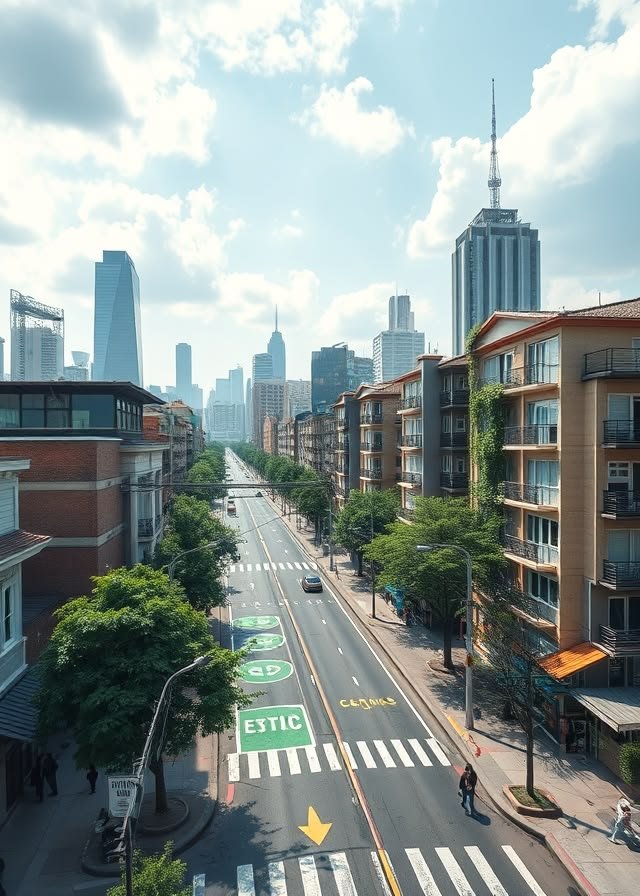
As cities continue to grow and populations increase, urban areas are becoming more crowded and heavily developed. Tall buildings, busy roads, and expanding infrastructure often replace natural landscapes that once supported ecosystems and wildlife. While urban development is necessary for economic growth and modern living, it can also create environmental challenges such as air pollution, rising temperatures, and reduced biodiversity. One effective way to address these challenges is through the creation and preservation of urban green spaces. Urban green spaces include parks, gardens, tree-lined streets, community gardens, and other areas where vegetation is protected or planted within cities. These spaces may seem small compared to forests or national parks, but their environmental and social benefits are significant. Urban green spaces improve the quality of life for city residents while also helping protect the environment. By incorporating nature into urban planning, cities can become healthier, more sustainable, and more enjoyable places to live.
Understanding Urban Green Spaces
Urban green spaces refer to natural or semi-natural areas located within cities and towns. These spaces provide opportunities for people to interact with nature while supporting environmental balance. Examples of urban green spaces include:
- Public parks and recreational areas
- Botanical gardens and nature reserves
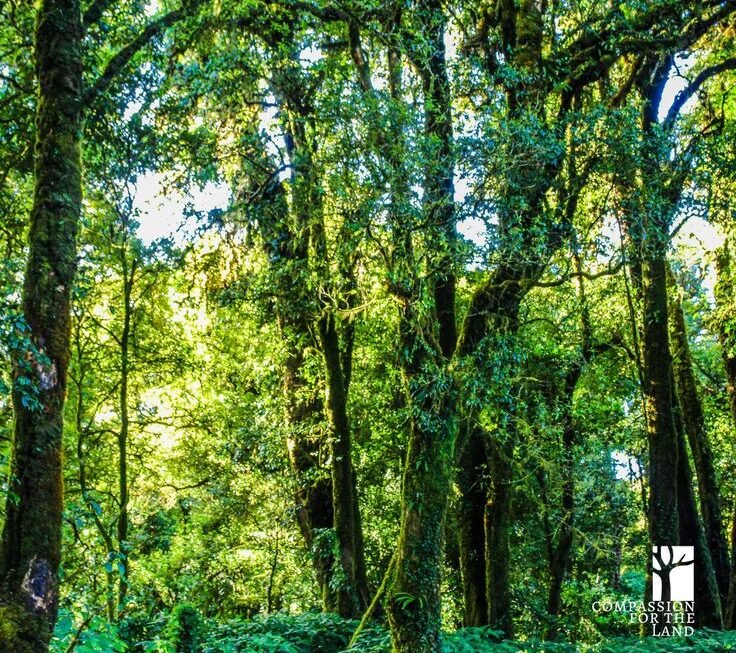
- Tree-lined streets and urban forests
- Community gardens and green rooftops
- Riverbanks and protected wetlands
These spaces play an important role in maintaining ecological balance within urban environments.
Improving Air Quality
One of the most important environmental benefits of urban green spaces is their ability to improve air quality. Cities often experience high levels of air pollution due to vehicle emissions, industrial activities, and construction. Trees and plants help reduce pollution in several ways:
- Absorbing carbon dioxide from the atmosphere
- Filtering harmful pollutants such as dust and smoke
- Producing oxygen through photosynthesis
As a result, neighborhoods with more trees and green areas often experience cleaner and healthier air.
Reducing Urban Heat
Cities often experience what is known as the urban heat island effect. This occurs when buildings, roads, and concrete surfaces absorb heat from the sun and raise the temperature of urban areas. Urban green spaces help reduce this effect by:
- Providing shade from trees and vegetation
- Releasing moisture into the air through plant processes
- Cooling surrounding areas naturally
These cooling effects make cities more comfortable, especially during hot seasons.
Supporting Urban Biodiversity
Even small green spaces can provide habitats for many species of plants, birds, insects, and small animals. In heavily developed cities, these spaces become essential refuges for wildlife. Urban biodiversity benefits include:
- Providing food sources for birds and insects
- Creating nesting and shelter areas for wildlife
- Supporting pollinators such as bees and butterflies
- Maintaining ecological balance within urban ecosystems
Protecting urban biodiversity also contributes to healthier ecosystems overall.
Managing Rainwater and Flooding
Urban areas often struggle with flooding during heavy rainfall because paved surfaces prevent water from soaking into the ground. This causes rainwater to accumulate quickly and overwhelm drainage systems. Green spaces help manage rainwater more effectively by:
- Allowing soil to absorb and store rainwater
- Reducing the amount of water flowing into drainage systems
- Preventing soil erosion and water pollution
Natural vegetation acts as a protective barrier that improves water management in cities.
Enhancing Public Health and Well-Being
Urban green spaces are not only beneficial for the environment but also for human health. Access to natural environments helps improve both physical and mental well-being. Health benefits of green spaces include:
- Encouraging physical activities such as walking, jogging, and cycling
- Reducing stress and mental fatigue
- Providing relaxing environments for social interaction
- Improving overall community well-being
People who live near green spaces often report higher levels of happiness and better health.
Promoting Community Engagement
Green spaces can also bring communities together. Parks, gardens, and recreational areas provide opportunities for people to gather, socialize, and participate in community activities. Community benefits include:
- Spaces for cultural events and social gatherings
- Opportunities for volunteer activities such as tree planting
- Community gardening projects that promote cooperation
- Educational programs about environmental conservation
These activities strengthen community bonds while promoting environmental awareness.
The Role of Urban Planning
Urban planners and local governments play a critical role in creating and maintaining green spaces. Thoughtful planning ensures that natural areas are integrated into city development. Important urban planning strategies include:
- Protecting existing green areas from development
- Planting more trees along streets and public spaces
- Creating parks in densely populated neighborhoods
- Encouraging green architecture such as rooftop gardens
These initiatives help cities maintain a healthy balance between development and environmental protection.
Conclusion
Urban green spaces are essential for creating sustainable and livable cities. They improve air quality, reduce urban heat, support wildlife, and help manage rainwater effectively. In addition to their environmental benefits, these spaces also enhance public health and strengthen community connections. As cities continue to expand, protecting and developing green spaces will become increasingly important. Governments, urban planners, and local communities must work together to ensure that natural environments remain an integral part of urban life. By investing in parks, gardens, and urban forests, cities can create healthier environments that benefit both people and the planet. In the long run, urban green spaces represent not just areas of beauty but vital resources that support sustainable development and improved quality of life.