








Introduction
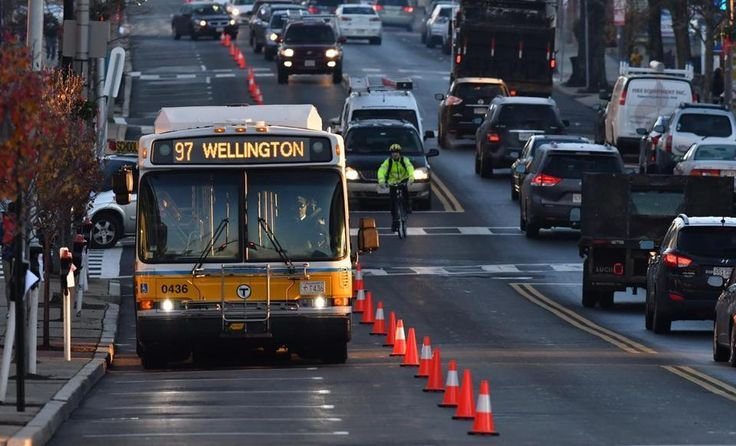
Modern cities depend heavily on transportation systems to move people from one place to another. Every day, millions of people commute to work, school, or other activities using private vehicles such as cars and motorcycles. While these forms of transportation provide convenience and flexibility, they also contribute significantly to environmental problems such as air pollution, traffic congestion, and greenhouse gas emissions.
Transportation is one of the largest contributors to carbon emissions worldwide. The widespread use of fuel-powered vehicles increases the release of harmful gases like carbon dioxide and nitrogen oxides into the atmosphere. These gases contribute to climate change and poor air quality, which can negatively affect both the environment and human health.
One effective way to address these problems is by promoting public transportation. Public transportation systems—such as buses, trains, trams, and subways—allow many people to travel together using fewer vehicles. By reducing the number of private cars on the road, public transportation can help cities become cleaner, more efficient, and more sustainable.
Adopting public transportation is not only beneficial for the environment but also for communities and individuals who rely on efficient and affordable mobility options.
Understanding Public Transportation
Public transportation refers to shared transportation services that are available for use by the general public. These systems are typically operated by government agencies or private companies and are designed to transport large numbers of people efficiently.
Common forms of public transportation include:
- City buses that travel along fixed routes
- Trains and subways that provide fast transportation across urban areas
- Light rail and trams used in many modern cities
- Commuter trains that connect suburbs with city centers
- Shared shuttle services for short-distance travel
These transportation options provide an alternative to private car ownership and reduce overall traffic on city roads.
Environmental Benefits
Public transportation offers several important environmental advantages that contribute to sustainable urban living.
Some key environmental benefits include:
- Reduced greenhouse gas emissions because fewer vehicles are needed to transport the same number of people
- Lower air pollution, improving air quality in crowded cities
- Reduced fuel consumption, conserving limited fossil fuel resources
- Less traffic congestion, which decreases idle engine emissions
- Reduced land use for parking, allowing more space for green areas
When more people choose public transportation, cities can significantly reduce their environmental footprint.
Energy Efficiency of Public Transport
Public transportation systems are often much more energy-efficient than private vehicles. A single bus or train can carry dozens or even hundreds of passengers at once.
Energy efficiency benefits include:
- Lower energy use per passenger compared to individual car travel
- Reduced dependence on oil and fossil fuels
- Better integration with renewable energy systems, especially electric trains and buses
As technology improves, many cities are also introducing electric buses and rail systems, which further reduce environmental impact.
Economic Benefits
In addition to environmental advantages, public transportation provides important economic benefits for individuals and communities.
Some economic advantages include:
- Lower commuting costs compared to owning and maintaining a personal vehicle
- Reduced fuel expenses for individuals who rely on buses or trains
- Less spending on parking and vehicle maintenance
- Job creation in transportation services, infrastructure development, and maintenance
Public transportation systems also support local economies by improving access to workplaces, schools, and markets.
Social and Community Benefits
Public transportation helps build more connected and inclusive communities. It allows people from different backgrounds to travel easily and access opportunities.
Social benefits include:
- Improved mobility for people who cannot afford private vehicles
- Better access to education, healthcare, and employment opportunities
- Reduced traffic stress, improving quality of life in cities
- Encouragement of social interaction and community engagement
By making transportation more accessible, public transit supports equality and community development.
Encouraging More People to Use Public Transport
For public transportation to be effective, cities must encourage people to adopt it as their primary travel option.
Some strategies include:
- Improving reliability and punctuality of transit services
- Expanding routes and coverage areas
- Introducing affordable fares and discounts for students and workers
- Building comfortable and safe transit stations
- Promoting awareness about environmental benefits
When public transportation becomes convenient and reliable, more people are willing to use it regularly.
Challenges Facing Public Transportation
Despite its many benefits, public transportation systems also face several challenges.
Some common challenges include:
- Insufficient infrastructure in rapidly growing cities
- Overcrowding during peak travel hours
- Limited funding for maintenance and expansion
- Public preference for private vehicles
Addressing these challenges requires investment in infrastructure, better planning, and government support.
The Future of Sustainable Transportation
As cities grow and environmental concerns increase, public transportation will play a crucial role in shaping sustainable urban development.
Future trends include:
- Electric and hybrid buses that reduce pollution
- High-speed rail systems connecting major cities
- Integrated transport systems combining buses, trains, cycling, and walking paths
- Smart transportation technologies that improve route planning and efficiency
These innovations will help make transportation cleaner, faster, and more accessible.
Conclusion
Public transportation is one of the most effective tools for creating environmentally sustainable cities. By reducing the number of private vehicles on the road, public transit systems help lower greenhouse gas emissions, decrease air pollution, and conserve valuable energy resources.
Beyond environmental benefits, public transportation also provides economic advantages, improves mobility for communities, and enhances the overall quality of life in urban areas. Efficient and accessible transit systems allow cities to grow while maintaining environmental balance.
Encouraging more people to use public transportation requires cooperation between governments, transportation authorities, and the public. With continued investment and innovation, public transportation can become a key driver of sustainable urban development.
Choosing to ride a bus or train instead of driving a car may seem like a small decision, but when millions of people make that choice every day, the positive impact on the environment and society can be enormous.