







Introduction
Waste management has become one of the most pressing environmental challenges in modern society. As populations grow and consumption increases, communities around the world are producing more waste than ever before. Plastics, paper, glass, metal, and electronic waste often end up in landfills or polluting natural environments such as rivers, forests, and oceans. This growing waste problem not only damages ecosystems but also wastes valuable resources that could otherwise be reused. One of the most effective solutions to this problem is recycling. Recycling allows materials that would normally be thrown away to be processed and reused in the production of new goods. While recycling can occur at the industrial level, community recycling programs play a particularly important role in promoting sustainable waste management. These programs involve local residents working together to collect, sort, and recycle waste materials. Community recycling programs do more than just reduce waste. They promote environmental awareness, create economic opportunities, and strengthen cooperation among residents. By encouraging responsible waste disposal and resource conservation, communities can significantly reduce their environmental impact and move toward a more sustainable future.
Understanding Community Recycling Programs
Community recycling programs are organized efforts that encourage residents to separate recyclable materials from regular household waste. These materials are then collected and processed so they can be reused in manufacturing. Common materials collected in recycling programs include:
- Paper and cardboard
- Plastic containers
- Glass bottles and jars
- Metal cans and aluminum products
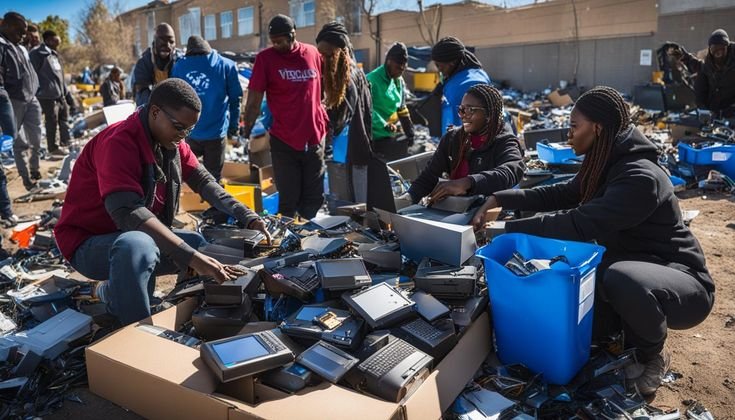
- Electronic waste such as old phones or batteries
By separating these materials from general waste, communities help ensure that valuable resources are not lost in landfills.
Environmental Benefits of Recycling
Recycling plays an essential role in protecting the environment. By reusing materials instead of producing new ones from raw resources, recycling reduces environmental damage. Key environmental benefits include:
- Reducing landfill waste, which helps preserve land and prevent pollution
- Conserving natural resources such as timber, minerals, and petroleum
- Lowering greenhouse gas emissions produced during manufacturing processes
- Reducing energy consumption needed to produce new products
For example, recycling aluminum uses significantly less energy than producing aluminum from raw ore. These savings make recycling an important strategy for environmental protection.
Reducing Pollution Through Recycling
Improper waste disposal is a major source of environmental pollution. When waste accumulates in landfills or is dumped illegally, it can contaminate soil, water, and air. Community recycling programs help reduce pollution by:
- Preventing waste from entering rivers and oceans
- Reducing the burning of waste materials, which releases harmful gases
- Decreasing the need for new industrial extraction processes
These actions help protect ecosystems and improve environmental health.
Economic Opportunities Created by Recycling
Recycling is not only environmentally beneficial but also economically valuable. The recycling industry creates jobs and supports economic development in many communities. Economic benefits of recycling include:
- Job creation in collection, sorting, and recycling facilities
- New business opportunities in recycled product manufacturing
- Reduced waste management costs for local governments
- Income generation for individuals who collect and sell recyclable materials
These economic advantages demonstrate that recycling can support both environmental sustainability and community development.
Encouraging Community Participation
The success of recycling programs depends largely on community participation. When residents understand the importance of recycling, they are more likely to support and participate in these programs. Communities can encourage participation through:
- Public education campaigns about recycling practices
- Providing clearly labeled recycling bins in neighborhoods
- Organizing community clean-up events
- Involving schools in environmental education programs
When people feel involved in environmental efforts, they are more motivated to adopt sustainable habits.
The Role of Schools and Youth Programs
Schools play an important role in promoting recycling awareness among young people. By teaching students about environmental responsibility, schools help create future generations that value sustainability. Educational initiatives may include:
- School recycling clubs and projects
- Environmental science lessons about waste management
- Student-led recycling drives in communities
- Art projects using recycled materials
These programs encourage creativity while promoting responsible environmental behavior.
Challenges Facing Recycling Programs
Despite their benefits, community recycling programs sometimes face challenges that limit their effectiveness. Common challenges include:
- Lack of awareness about proper recycling practices
- Contamination of recyclable materials with non-recyclable waste
- Limited recycling infrastructure in some communities
- Insufficient funding for recycling programs
Addressing these challenges requires cooperation between governments, businesses, and residents.
Steps Communities Can Take to Improve Recycling
Communities can strengthen their recycling programs by adopting practical strategies that improve efficiency and participation. Effective strategies include:
- Expanding access to recycling bins and collection services
- Providing clear guidelines for sorting recyclable materials
- Supporting businesses that use recycled materials
- Encouraging waste reduction in addition to recycling
By combining these strategies, communities can create more effective waste management systems.
Conclusion
Community recycling programs are powerful tools for addressing the growing problem of waste pollution. By encouraging residents to separate and recycle materials such as paper, plastic, glass, and metal, these programs help conserve natural resources and reduce environmental damage. Beyond environmental benefits, recycling programs also strengthen communities by creating economic opportunities and promoting cooperation among residents. When individuals work together toward a common goal of sustainability, they build stronger and more responsible communities. The future of waste management depends on continued participation, education, and innovation. By supporting community recycling programs and adopting responsible waste practices, individuals can contribute to a cleaner environment and a more sustainable world.