









Introduction.
Energy is a fundamental part of modern life. It powers homes, fuels transportation, supports industries, and enables technological advancement. However, most of the world’s energy still comes from fossil fuels such as coal, oil, and natural gas. While these sources have supported economic development for many years, they also contribute significantly to environmental problems. Burning fossil fuels releases greenhouse gases into the atmosphere, leading to climate change and air pollution. These environmental challenges threaten ecosystems, human health, and the stability of global climates. As awareness of these issues grows, many people are searching for cleaner and more sustainable energy alternatives. Renewable energy offers a promising solution. Unlike fossil fuels, renewable energy sources are naturally replenished and produce significantly fewer environmental impacts. Examples include solar power, wind energy, hydroelectric power, and geothermal energy. By transitioning to renewable energy, societies can reduce environmental damage while still meeting their energy needs. Renewable energy therefore plays a crucial role in creating a sustainable future.
Types of Renewable Energy.
Several renewable energy sources are already being used around the world to generate electricity and power communities. Some of the most common types include:
- Solar Energy
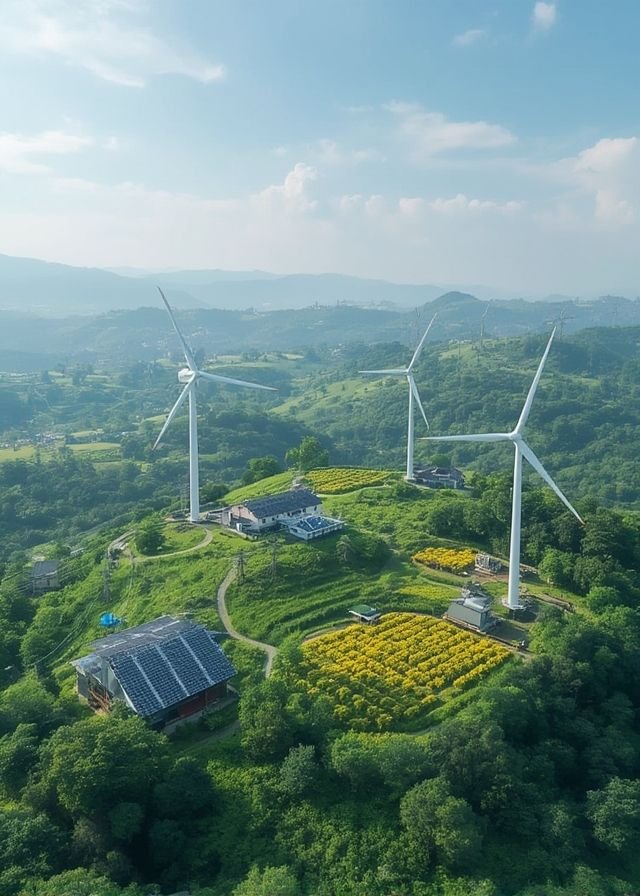
Solar panels capture sunlight and convert it into electricity. This form of energy is widely used in homes, businesses, and rural areas without access to traditional power grids. - Wind Energy
Wind turbines generate electricity by converting wind movement into mechanical power. - Hydroelectric Energy
Hydropower uses flowing water from rivers or dams to produce electricity. - Geothermal Energy
This energy source uses heat from beneath the Earth’s surface to generate power and provide heating.
These renewable resources offer sustainable alternatives to traditional fossil fuels.
Environmental Benefits of Renewable Energy.
One of the main reasons renewable energy is important is its positive environmental impact. Some key environmental advantages include:
- Reduced Carbon Emissions
Renewable energy sources produce little or no greenhouse gases, helping to combat climate change. - Cleaner Air
Unlike fossil fuels, renewable energy does not release harmful pollutants that affect human health. - Conservation of Natural Resources
Renewable energy relies on natural processes such as sunlight and wind rather than limited fuel supplies. - Protection of Ecosystems
Reducing pollution helps protect wildlife, forests, oceans, and other natural habitats.
These benefits make renewable energy an essential component of eco-living.
Economic and Social Benefits.
Renewable energy also provides several economic advantages. Some important benefits include:
- Lower Long-Term Energy Costs
Although installation may require an initial investment, renewable systems such as solar panels often reduce electricity bills over time. - Job Creation
The renewable energy sector creates employment opportunities in engineering, installation, maintenance, and research. - Energy Independence
Countries that invest in renewable energy reduce dependence on imported fossil fuels. - Access to Electricity in Rural Areas
Solar and wind energy systems can provide electricity to remote communities that lack traditional power infrastructure.
These benefits demonstrate how renewable energy supports both environmental sustainability and economic growth.
Encouraging Renewable Energy Adoption.
Promoting renewable energy requires cooperation between governments, businesses, and individuals. Some practical actions include:
• Supporting policies that encourage clean energy development.
• Investing in solar panels and energy-efficient technologies.
• Promoting research and innovation in renewable energy systems.
• Educating communities about sustainable energy practices.
These efforts help accelerate the transition toward a cleaner and more sustainable energy future.
Conclusion.
The growing demand for energy presents both a challenge and an opportunity. While traditional fossil fuels have powered development for decades, their environmental consequences have made it clear that a new approach is necessary. Renewable energy provides a sustainable path forward. By harnessing natural resources such as sunlight, wind, and water, renewable energy systems can supply electricity while minimizing environmental harm. These technologies not only reduce pollution but also create economic opportunities and improve energy security. Transitioning to renewable energy is not simply a technological change—it is a commitment to protecting the planet for future generations. Every solar panel installed, every wind turbine built, and every clean energy policy implemented brings the world closer to a sustainable future. In the long run, renewable energy represents more than an alternative power source. It represents hope for a cleaner environment, stronger economies, and a healthier planet for generations to come.