








Introduction
Every day, households, businesses, and communities generate tons of waste. From food scraps to packaging, single-use plastics, and discarded clothing, the amount of trash produced continues to grow. Much of this waste ends up in landfills or oceans, creating pollution, harming wildlife, and contributing to climate change.
In response, many people are embracing a zero-waste lifestyle, a way of living that aims to drastically reduce the amount of waste produced. Zero-waste living encourages conscious consumption, sustainable practices, and creative solutions to prevent materials from being discarded unnecessarily.
Adopting a zero-waste lifestyle is not just about throwing less away; it’s about rethinking how we live, shop, and manage resources. Small, consistent changes in daily habits can collectively have a significant impact on the environment.
This blog explores the concept of zero-waste living, its benefits, practical steps to reduce waste, and how individuals can contribute to a healthier planet.
What Is a Zero-Waste Lifestyle?
A zero-waste lifestyle focuses on reducing the waste we produce to the minimum, ideally sending nothing to landfills or incinerators. It is based on the “5 R’s” principle:
- Refuse – Avoid unnecessary items that generate waste
- Reduce – Minimize consumption and choose products with less packaging
- Reuse – Opt for reusable items instead of disposable ones
- Recycle – Properly sort and recycle materials that cannot be refused or reused
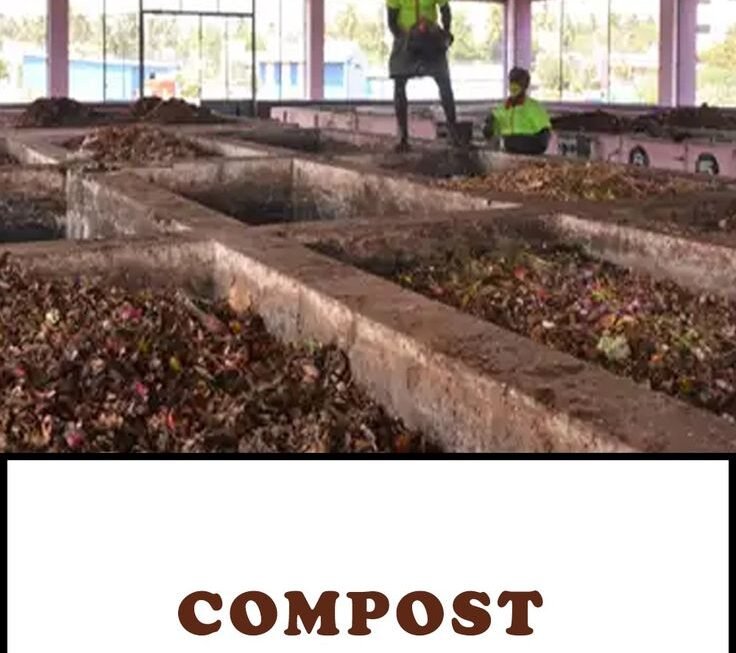
- Rot – Compost organic waste to return nutrients to the soil
By following these principles, individuals can significantly lower their environmental impact while promoting sustainable living.
Environmental Benefits of a Zero-Waste Lifestyle
Reducing waste has far-reaching environmental advantages.
Some key benefits include:
- Decreased landfill use, preventing soil and water pollution
- Reduced greenhouse gas emissions, since waste decomposition in landfills produces methane
- Conservation of natural resources, as reusing and recycling materials reduces the need for new raw materials
- Protection of wildlife, especially marine animals that often mistake plastic for food
- Lower energy consumption, as producing new goods requires more energy than reusing existing ones
These benefits make zero-waste living a practical solution for environmental preservation.
Economic Advantages
A zero-waste lifestyle can also provide financial benefits for households and individuals.
Some economic advantages include:
- Reduced spending on disposable products by choosing reusable alternatives
- Lower grocery costs when buying in bulk or minimizing packaged goods
- Cost savings through repair and reuse, extending the life of household items
- Potential income from selling recyclable materials in some regions
While the transition may require an initial investment in reusable items, the long-term savings are often significant.
Practical Steps to Start a Zero-Waste Lifestyle
Adopting a zero-waste lifestyle can begin with simple, manageable actions.
Some practical steps include:
- Bring your own reusable shopping bags when going to stores
- Use reusable water bottles, coffee cups, and containers instead of disposable items
- Shop in bulk to reduce packaging waste
- Compost food scraps instead of throwing them away
- Repair clothing, furniture, and electronics rather than replacing them
- Choose products made from recycled or sustainable materials
Starting with a few small changes can make zero-waste living more achievable.
Challenges of Zero-Waste Living
Despite its many benefits, adopting a zero-waste lifestyle can present challenges:
- Limited availability of sustainable alternatives in some areas
- Higher upfront costs for reusable or eco-friendly products
- Lack of awareness or knowledge about recycling and composting
- Lifestyle adjustments, especially when transitioning from convenience-oriented habits
Overcoming these challenges often requires research, planning, and commitment, but the environmental payoff is significant.
The Role of Communities and Businesses
Zero-waste living is easier when communities and businesses support sustainable practices.
Some community and business initiatives include:
- Bulk food stores that reduce packaging
- Recycling programs that accept a wide range of materials
- Workshops and education campaigns on sustainable living
- Incentives for eco-friendly practices such as discounts for bringing reusable items
These initiatives encourage widespread adoption of zero-waste practices and create a culture of sustainability.
Conclusion
The zero-waste lifestyle is a powerful approach to protecting the environment and promoting sustainable living. By refusing, reducing, reusing, recycling, and composting, individuals can significantly reduce the amount of waste sent to landfills and oceans.
Beyond environmental benefits, zero-waste living can save money, encourage healthier consumption habits, and foster creativity in finding sustainable solutions. While adopting this lifestyle may come with challenges, small, consistent actions can make a meaningful difference.
As more people embrace zero-waste principles, communities become cleaner, ecosystems are protected, and a more sustainable future becomes achievable. Living a zero-waste lifestyle is not just an individual choice—it is a collective step toward a healthier planet for current and future generations.