







Introduction
Fashion is an important part of everyday life. The clothes people wear often reflect their personality, culture, and lifestyle. However, behind the beauty and creativity of fashion lies a serious environmental challenge. The global fashion industry is one of the largest contributors to pollution, waste, and resource consumption.
Fast fashion has made clothing cheaper and more accessible, but it has also encouraged people to buy more clothes than they need. Many garments are worn only a few times before being thrown away, creating massive textile waste. In addition, the production of clothing requires large amounts of water, energy, and chemicals that can harm the environment.
In response to these challenges, a growing movement known as eco-friendly or sustainable fashion is gaining popularity. Sustainable fashion focuses on producing, using, and disposing of clothing in ways that reduce environmental impact. Designers, brands, and consumers are increasingly exploring ways to make fashion more environmentally responsible.
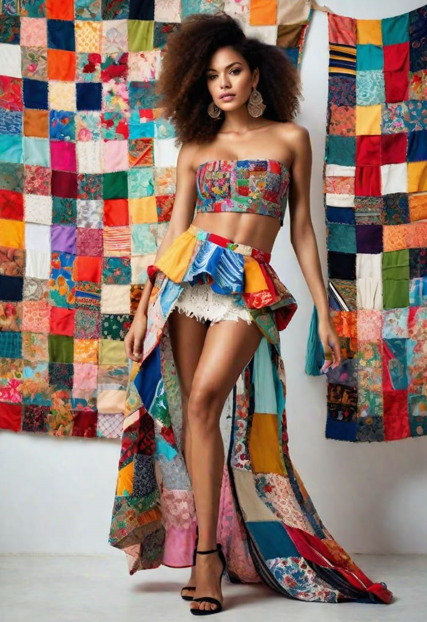
Eco-friendly fashion is not about abandoning style or creativity. Instead, it encourages smarter choices that protect the planet while still allowing people to express themselves through clothing. As awareness grows, sustainable fashion is slowly transforming the entire fashion industry.
The Environmental Impact of the Fashion Industry
The traditional fashion industry has several environmental consequences that affect ecosystems around the world. Some major environmental impacts include:
- Water consumption: Producing fabrics such as cotton requires large amounts of water.
- Chemical pollution: Textile dyes and chemicals can contaminate rivers and soil.
- Textile waste: Millions of tons of clothing end up in landfills each year.
- Carbon emissions: Manufacturing and transporting clothing contributes to greenhouse gas emissions.
Because of these challenges, many experts believe the fashion industry must adopt more sustainable practices.
What Is Eco-Friendly Fashion?
Eco-friendly fashion refers to clothing that is designed, produced, and distributed in ways that minimize harm to the environment. Sustainable fashion often focuses on:
- Using environmentally friendly materials
- Reducing waste during production
- Creating durable clothing that lasts longer
- Promoting recycling and reuse of garments
- Supporting ethical labor practices
These practices aim to create a fashion system that respects both people and the planet.
Sustainable Materials in Modern Fashion
One of the most important aspects of eco-friendly fashion is the use of sustainable materials. Many designers are exploring alternatives to traditional fabrics.
Some common sustainable materials include:
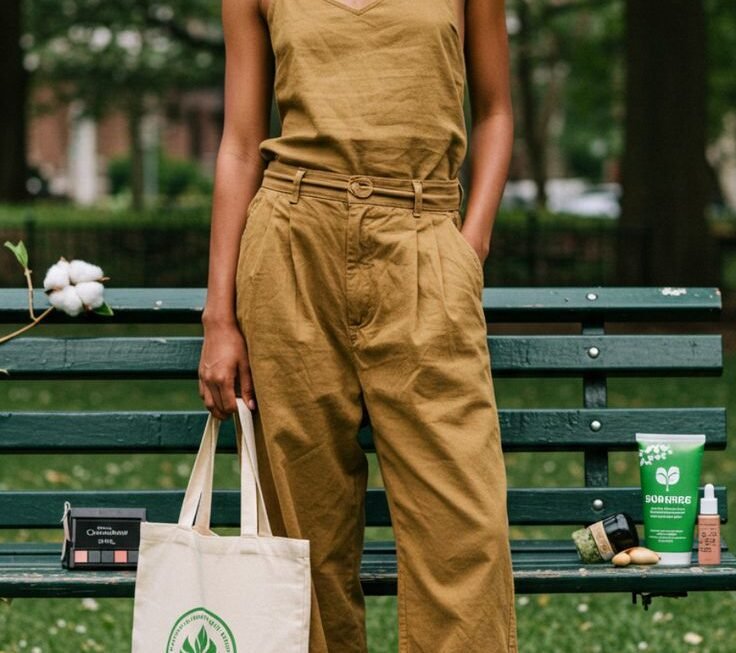
Organic Cotton
Organic cotton is grown without harmful pesticides or synthetic fertilizers, making it safer for farmers and the environment.
Recycled Fabrics
Some clothing is now made from recycled materials such as plastic bottles or old textiles. This helps reduce waste and conserve resources.
Bamboo Fabric
Bamboo grows quickly and requires less water than many traditional crops, making it a more sustainable material.
Hemp
Hemp is a strong and durable plant fiber that grows easily without heavy chemical use.Using these materials helps reduce environmental damage caused by textile production.
The Rise of Slow Fashion
Another important concept within eco-friendly fashion is slow fashion. Slow fashion encourages consumers to buy fewer clothes but choose higher-quality items that last longer.
Key ideas of slow fashion include:
- Purchasing durable clothing instead of disposable trends
- Supporting brands that follow ethical and sustainable practices
- Repairing or altering clothing instead of discarding it
- Buying second-hand or vintage items
Slow fashion challenges the fast-fashion culture that promotes constant buying and quick disposal.
How Consumers Can Support Sustainable Fashion
Consumers play a powerful role in shaping the future of the fashion industry. By making conscious choices, individuals can support environmentally responsible fashion.
Some practical ways to support eco-friendly fashion include:
- Buying fewer but higher-quality clothes
- Choosing brands that prioritize sustainability
- Donating or recycling old clothing instead of throwing it away
- Shopping at thrift stores or second-hand markets
- Taking good care of clothing to extend its lifespan
Small changes in consumer habits can significantly reduce fashion-related waste.
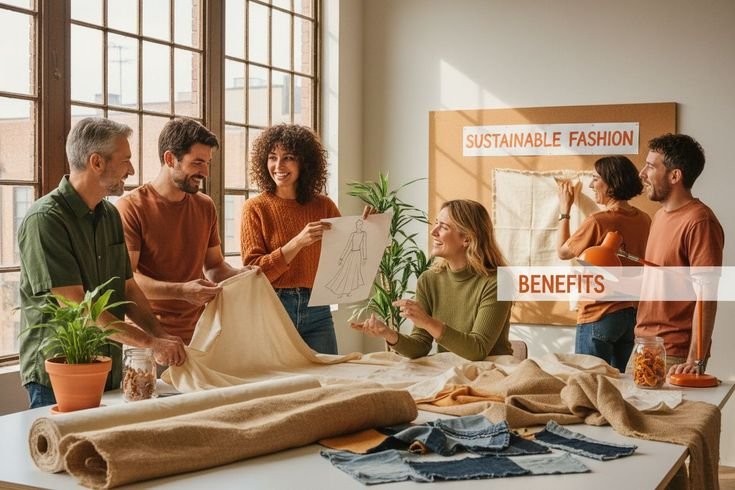
Benefits of Eco-Friendly Fashion
Adopting sustainable fashion practices offers several important benefits. Some key advantages include:
- Reduced environmental pollution from textile production
- Lower resource consumption, including water and energy
- Less textile waste ending up in landfills
- Better working conditions for garment workers
- Encouragement of responsible consumer behavior
These benefits help create a more sustainable and ethical fashion system.
Challenges Facing Sustainable Fashion
Despite its growing popularity, eco-friendly fashion still faces several challenges.
Some common obstacles include:
- Higher production costs for sustainable materials
- Limited awareness among consumers
- Competition from cheaper fast-fashion products
- Difficulty scaling sustainable production methods
However, as technology improves and awareness increases, these challenges are gradually being addressed.
The Future of Sustainable Fashion
The future of fashion is likely to be shaped by sustainability. Many brands are investing in research and innovation to create more environmentally friendly clothing. Possible future developments include:
- Biodegradable fabrics that break down naturally
- Clothing rental services that reduce the need for ownership
- Advanced recycling technologies for textiles
- Greater transparency in fashion supply chains
These innovations may transform the fashion industry into a more sustainable system.
Conclusion
Eco-friendly fashion represents an important shift toward responsible production and consumption. By using sustainable materials, reducing waste, and promoting ethical practices, the fashion industry can significantly reduce its environmental impact.
Consumers, designers, and brands all play important roles in this transformation. While fast fashion has dominated the industry for many years, the growing awareness of environmental issues is encouraging a new approach to clothing.
Choosing sustainable fashion does not mean sacrificing style or creativity. Instead, it offers an opportunity to express personal style while also caring for the planet. As more people embrace eco-friendly fashion, the industry will continue evolving toward a future where fashion and sustainability go hand in hand.