






Introduction
Food is a basic part of human life. Every day, people around the world make choices about what they eat, how they prepare their meals, and where their food comes from. While food is essential for survival and health, the way it is produced and consumed also has a significant impact on the environment.
Agriculture uses large amounts of land, water, and energy. In addition, food production can contribute to deforestation, greenhouse gas emissions, and pollution. As the global population continues to grow, the demand for food is increasing, placing more pressure on natural resources.
Because of these challenges, many experts are encouraging people to adopt sustainable food choices. Sustainable eating focuses on selecting foods that are healthier for both people and the planet. This includes supporting farming practices that protect the environment, reducing food waste, and choosing foods that require fewer natural resources to produce.
Sustainable food choices do not require extreme changes in lifestyle. Instead, they encourage thoughtful decisions that gradually reduce environmental impact while maintaining balanced and nutritious diets. By understanding how food systems affect the environment, individuals can contribute to a more sustainable future.
Understanding Sustainable Food Systems
A sustainable food system is one that produces enough food for people while protecting natural resources and ecosystems. It ensures that food production today does not harm the ability of future generations to produce food.
Sustainable food systems aim to:
- Protect soil health and biodiversity
- Use water resources responsibly
- Reduce pollution from agricultural activities
- Support local farmers and communities
- Promote fair and ethical food production
These goals help create a balance between food production and environmental conservation.
Environmental Impact of Food Production
Food production has a large environmental footprint. Different types of food require different amounts of land, water, and energy.
Some major environmental impacts include:
- Greenhouse gas emissions from livestock farming and transportation
- Deforestation to create farmland or grazing land
- Water consumption for irrigation and crop production
- Chemical pollution from fertilizers and pesticides
Understanding these impacts can help consumers make more environmentally responsible food choices.
Benefits of Choosing Sustainable Foods
Adopting sustainable food habits offers many benefits for both individuals and the environment.
Some important advantages include:
Environmental Protection
Sustainable food choices reduce pressure on forests, water sources, and ecosystems.
Improved Public Health
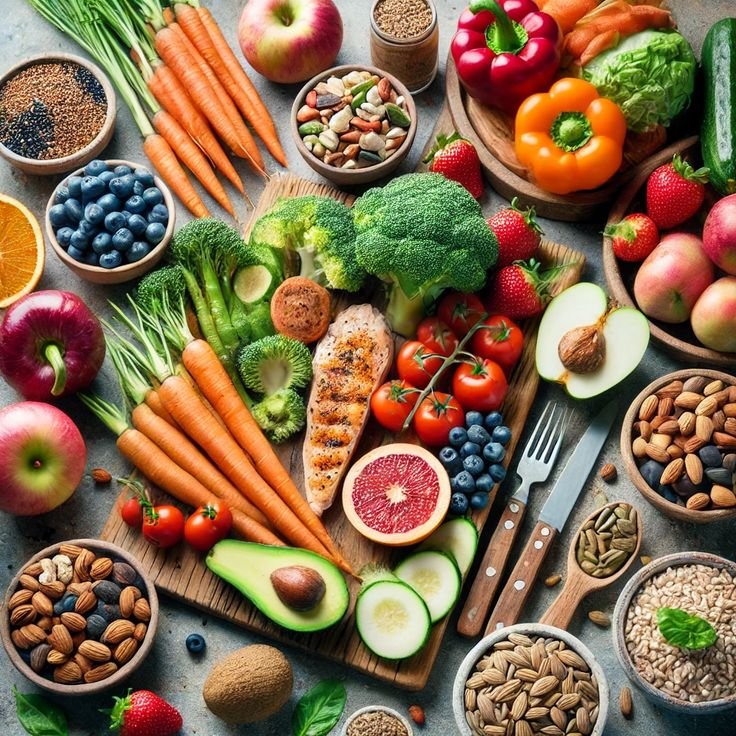
Many sustainable diets emphasize fruits, vegetables, and whole foods, which support better health.
Support for Local Farmers
Buying locally produced foods helps small farmers and strengthens local economies.
Reduction of Food Waste
Sustainable eating encourages responsible consumption and reduces the amount of food discarded. These benefits demonstrate how personal food choices can contribute to broader environmental solutions.
Practical Ways to Eat More Sustainably
People can adopt sustainable eating habits through simple and practical actions. Some useful strategies include:
Choose Local and Seasonal Foods
Buying locally grown foods reduces transportation emissions and supports regional farmers.
Reduce Meat Consumption
Livestock farming requires large amounts of land and water. Reducing meat intake can significantly lower environmental impact.
Avoid Food Waste
Planning meals carefully and storing food properly can help prevent unnecessary waste.
Support Sustainable Farming Practices
Purchasing food from farms that use environmentally friendly methods encourages responsible agriculture.
These small changes can collectively make a meaningful difference.
The Role of Technology in Sustainable Agriculture
Technology is helping farmers produce food more efficiently while reducing environmental harm. Some important technological developments include:
- Precision farming, which uses data and sensors to optimize water and fertilizer use
- Vertical farming, which allows crops to be grown indoors with minimal land
- Improved irrigation systems that conserve water
- Development of climate-resistant crops
These innovations help ensure food security while protecting natural resources.
Challenges in Achieving Sustainable Food Systems
Despite the benefits, transitioning to sustainable food systems is not always easy. Some major challenges include:
- Growing global demand for food
- Economic pressure on farmers to increase production
- Limited access to sustainable food options in some regions
- Lack of awareness about sustainable diets
Addressing these challenges requires cooperation between governments, farmers, businesses, and consumers.
The Future of Sustainable Eating
As environmental awareness continues to grow, sustainable food practices are becoming more common. Many governments and organizations are investing in research and policies that support environmentally friendly agriculture.
Future trends in sustainable food systems may include:
- Greater adoption of plant-based diets
- Expansion of organic farming methods
- Increased focus on reducing food waste
- Improved technology for efficient food production
These developments will help build a food system that meets human needs while protecting the planet.
Conclusion
Food choices may seem like small daily decisions, but collectively they have a powerful impact on the environment. By choosing sustainable foods, reducing waste, and supporting responsible farming practices, individuals can contribute to protecting natural resources and promoting environmental sustainability.
Sustainable eating does not mean giving up favorite foods or drastically changing one’s lifestyle. Instead, it encourages thoughtful decisions that balance nutrition, environmental responsibility, and long-term resource management.
As more people recognize the connection between food and the environment, sustainable food practices will continue to grow. Through informed choices and collective action, society can create a food system that nourishes both people and the planet for generations to come.