








Introduction
Homes are an essential part of human life. They provide shelter, comfort, and security for individuals and families. However, homes also consume a significant amount of energy, water, and natural resources. From electricity used for lighting and appliances to water used for cleaning and gardening, everyday household activities contribute to environmental impact.
As environmental concerns continue to grow around the world, many people are beginning to rethink how their homes are designed and managed. The concept of eco-friendly homes, also known as sustainable homes, has become increasingly popular. These homes are designed to reduce environmental impact by using resources more efficiently and minimizing waste.
Eco-friendly homes focus on energy efficiency, water conservation, sustainable building materials, and environmentally responsible living practices. They aim to create comfortable living spaces while reducing the harm caused to the environment.
The idea of sustainable housing is not limited to large or expensive houses. Even small changes in existing homes can make a significant difference in reducing energy consumption and protecting natural resources. By adopting eco-friendly home practices, individuals can contribute to a healthier environment while also saving money in the long run.
What Makes a Home Eco-Friendly?
An eco-friendly home is designed to reduce environmental impact while maintaining comfort and functionality. Sustainable homes focus on using resources efficiently and minimizing pollution.
Some key features of eco-friendly homes include:
- Efficient energy use
- Sustainable building materials
- Water conservation systems
- Waste reduction and recycling
- Natural lighting and ventilation
These elements help reduce the ecological footprint of households.
Energy Efficiency in Homes
Energy use is one of the largest environmental impacts associated with homes. Heating, cooling, lighting, and household appliances all require electricity or fuel.
Improving energy efficiency can significantly reduce both environmental impact and energy costs.
Some practical ways to improve energy efficiency include:
Using Energy-Efficient Appliances
Modern appliances are designed to consume less electricity while maintaining performance.
Installing LED Lighting
LED bulbs use far less energy than traditional bulbs and last much longer.
Improving Home Insulation
Proper insulation helps maintain indoor temperatures, reducing the need for heating or air conditioning.
Using Renewable Energy
Solar panels and other renewable energy systems allow homes to generate clean energy.
These improvements can greatly reduce energy consumption over time.
Water Conservation in Sustainable Homes
Water is one of the most important natural resources, yet it is often used inefficiently in many households. Eco-friendly homes encourage responsible water use through various methods.
Some common water conservation strategies include:
- Installing low-flow showerheads and faucets
- Using water-efficient toilets
- Collecting rainwater for gardening
- Fixing leaks to prevent water waste
- Using efficient irrigation systems
These measures help reduce water consumption and protect freshwater resources.
Sustainable Building Materials
Another important aspect of eco-friendly homes is the use of sustainable building materials. Traditional construction materials can have significant environmental impacts due to extraction, processing, and transportation. Sustainable building materials aim to reduce these impacts.
Examples include:
- Recycled materials, such as reclaimed wood or recycled steel
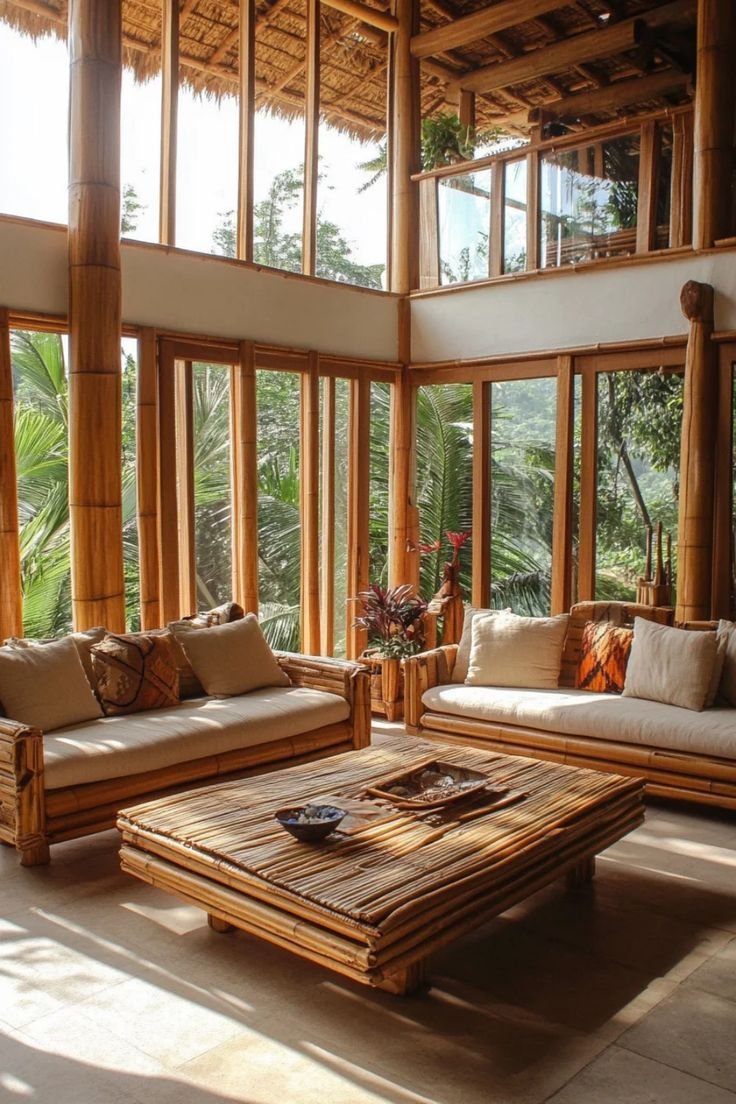
- Bamboo, which grows quickly and requires fewer resources
- Natural insulation materials, such as wool or cellulose
- Locally sourced materials, which reduce transportation emissions
Using these materials helps reduce environmental damage during the construction process.
Waste Reduction in the Home
Household waste is a major contributor to environmental pollution. Many items that are thrown away could be reused or recycled. Eco-friendly homes encourage responsible waste management practices.
Some effective strategies include:
- Recycling paper, plastic, glass, and metal
- Composting food scraps to create natural fertilizer
- Reducing single-use products
- Reusing household items whenever possible
These practices help reduce the amount of waste sent to landfills.
The Benefits of Eco-Friendly Homes
Sustainable homes provide several important advantages for both individuals and the environment. Some key benefits include:
- Lower energy and water bills
- Reduced environmental pollution
- Improved indoor air quality
- Greater long-term sustainability of natural resources
In addition, eco-friendly homes often create healthier and more comfortable living environments for residents.
Challenges in Adopting Eco-Friendly Housing
Although eco-friendly homes offer many benefits, some challenges can make them difficult to adopt.
Common obstacles include:
- Higher initial costs for sustainable technologies
- Limited awareness about eco-friendly building practices
- Lack of access to sustainable materials in some regions
- Resistance to changing traditional construction methods
However, as technology advances and awareness increases, these barriers are gradually being reduced.
The Future of Sustainable Housing
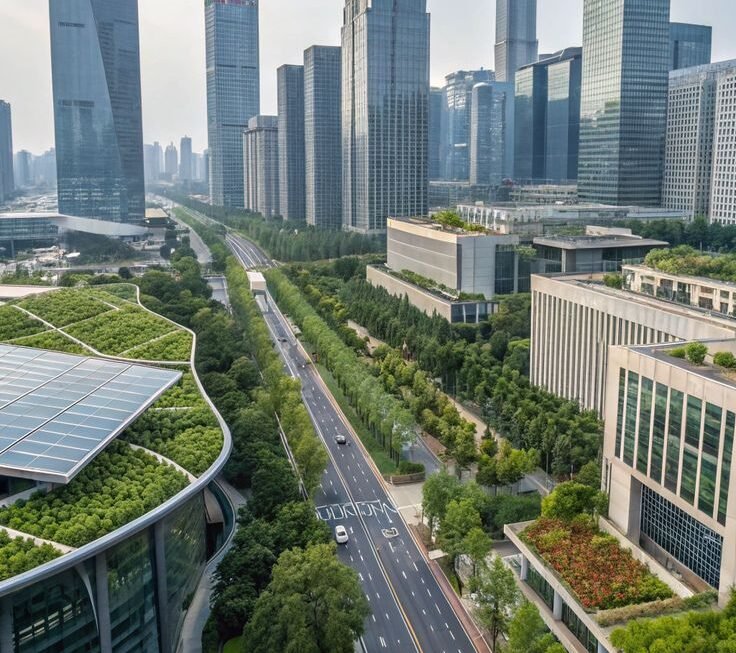
The future of housing is likely to focus heavily on sustainability. As cities grow and environmental concerns intensify, governments and developers are increasingly investing in green housing solutions.
Future eco-friendly homes may include:
- Smart home systems that optimize energy use
- Fully solar-powered houses
- Advanced water recycling systems
- Sustainable urban housing communities
These innovations will help create homes that support both human comfort and environmental protection.
Conclusion
Eco-friendly homes represent an important step toward a more sustainable future. By improving energy efficiency, conserving water, using sustainable materials, and reducing waste, households can significantly reduce their environmental impact.
Although the transition to sustainable housing may require some initial investment and lifestyle adjustments, the long-term benefits are substantial. Eco-friendly homes not only protect the environment but also reduce utility costs and improve living conditions.
As awareness about environmental sustainability continues to grow, more people are likely to adopt eco-friendly housing practices. Through responsible design and mindful living, homes can become an important part of the global effort to protect the planet and ensure a healthier future for generations to come.